 {# Overlay logo in the middle of the banner, no layout shift #}





Evaluation | Roster Management | 2026 Season
2026 Player Pipeline




Each year, a Sporting Director is forced to make two overlapping decisions at the same time.
One is about the present. Who on the current roster can be trusted to contribute now? Who fits the competitive demands of the season ahead? The other is about the future. Which players are worth continuing to invest in, which carry enough value to sell, and which have reached the point where the club has to move on.
Those decisions are not independent. A young player with potential is only useful if that potential is strong enough to justify minutes. If those minutes come at the expense of an established starter, the bar rises further. Development is never free. It always costs someone playing time.
Bringing players through to the first team serves more than one purpose. It gives academy players a tangible pathway. It keeps roster costs down. It can also generate value in the transfer market. Those outcomes shape sporting decisions just as much as they are shaped by them.
The difficulty is deciding what takes priority at any given moment.
- Is it the sporting side, where the best XI plays regardless of age or contract status?
- Is it the player-development side, where minutes are allocated to accelerate growth?
- is it the business side, where value is protected and extracted before it fades?
There is no clean answer, and there is no neutral choice. The pull between those choices defines the most important stage of roster building - the point where planning either happens early or decisions are imposed later.
This article focuses on a group of players who are approaching, or have already reached, meaningful decision points in their Atlanta United careers.
What happens next says more about the club’s priorities than any mission statement ever could.
The Club’s Perspective
Once a homegrown player reaches this stage, Atlanta’s margin for indecisiveness shrinks. The club continues to hold contractual authority, but the number of outcomes that actively improve the roster becomes limited.
One option is to keep the player and commit to first-team minutes. This is the hardest path to maintain as policy. The cap hit stays low, while the cost appears on the field. Young players are inconsistent by definition. They misjudge moments. They lose individual battles. They struggle with game speed. Improvement only happens if the coaching staff accepts those performances in competitive matches rather than insulating the player from them.
Another option is a loan. The intent is to place the player into regular match environments with defined responsibility and repeated in-game decisions. This offers little resolution from a roster perspective. The player is unavailable for a season and but the depth chart remains crowded.
A third option is to sell the player while league perception still reflects potential upside. In that scenario, the buying club acquires a player closer to first-team readiness and better aligned with a specific roster need. Once a player settles into a depth role however, market interest declines. Action on any interest can provide allocation resources and create space for the next group advancing through the pipeline.
If none of these paths are chosen, the process defaults to expiration. The contract runs down, and the player exits. MLS homegrown mechanisms protect rights. They have no such protection of market value. If the player runs down the contract, value is lost.
Atlanta has a varity of players in that pipeline at different points in their development. At some point for each player, one of those will become real.
Players in the Pipeline
Luke Brennan
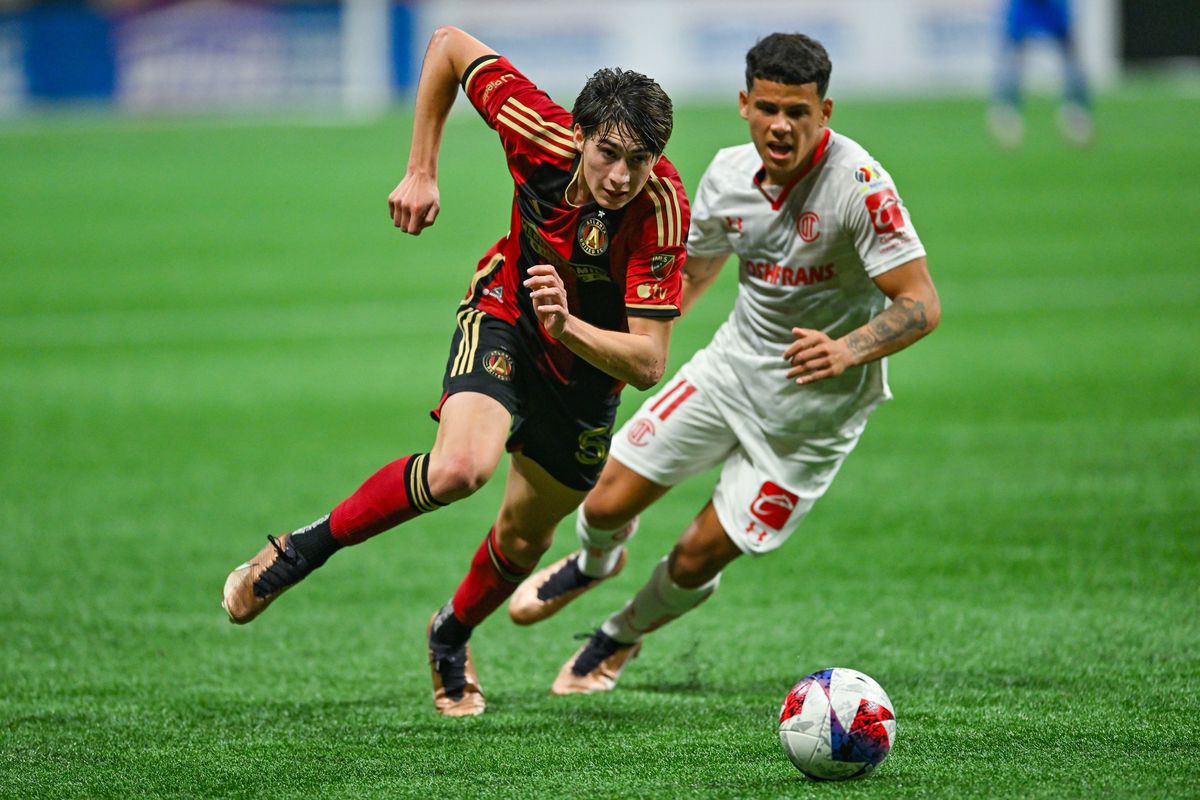
Brennan is under contract through 2027, with a club option for 2028. Atlanta holds control across multiple seasons and does not face an immediate contractual deadline. That control provides flexibility and places the emphasis on how he is used rather than when a decision must be made.
At nearly 21, Brennan has already moved beyond MLS NEXT Pro. His 2025 season included MLS appearances and extended minutes with the U-20 national team, where his performances confirmed his technical level and attacking instincts. His is the kind of progression which will have league-wide appeal.
His first-team involvement, however, remains limited. Brennan has appeared in 22 matches for Atlanta United, totaling 675 minutes. Most of those occurrences coming as a sub.
Progress at this stage depends on repeated exposure at the highest level. Late-game substitutions and frequent returns to the 2’s slow progression. Without sustained involvement, his perception will be that of a depth piece and his market value stagnates. Buyers will still exist, but at a lower price.
This stage also carries player-side pressure. Without a defined MLS role, Brennan’s pathway trends towards minutes elsewhere. Atlanta has navigated that moment before with other young players, using loans or sales to resolve the situation.
Jay Fortune
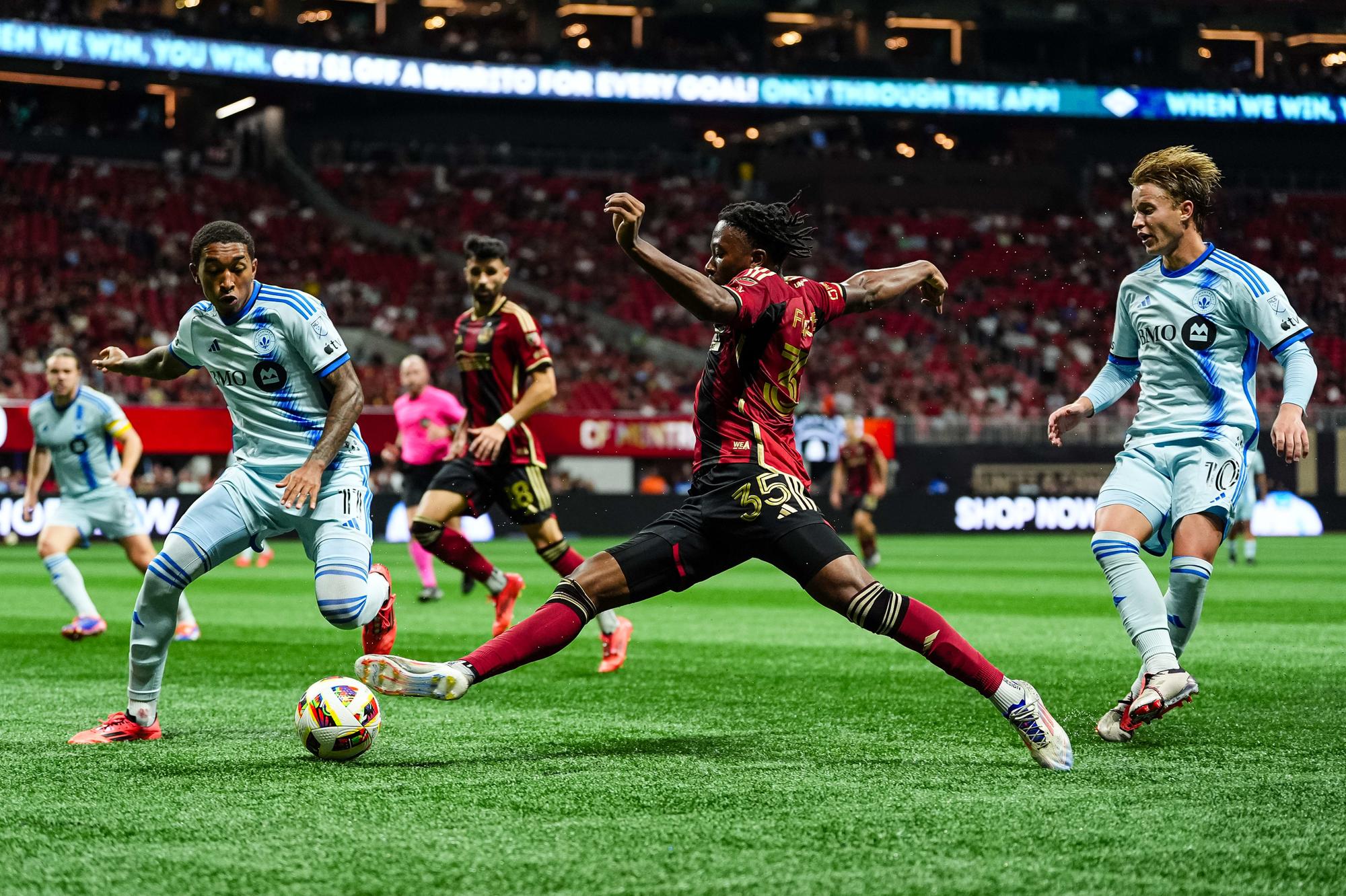
Fortune enters 2026 with a defined contract window. Atlanta exercised his 1-year option through the end of this season.
Before his injury, Fortune had established a regular role in midfield. He earned starts, handled defensive responsibilities while also showing positional flexibility. As his importance increased, fan perception followed. By mid-summer, he was widely viewed as Atlanta’s most important emerging player, and for stretches, one of the few reliable performers in a difficult season.
The foot surgery in July interrupted that momentum. Entering the new season, Fortune returns to a midfield group that continued to evolve in his absence, with added competition and younger players gaining familiarity and minutes.
The calendar now governs the situation. By midseason, Fortune becomes eligible to negotiate a Bosman pre-contract with another club. Atlanta has the opening months of the season to re-establish his role and act accordingly.
This is not a situation that can be allowed to drift. A consistent early-season place in midfield indicates the club should offer a new contract. A less defined role pushes the club toward testing the market before the summer window closes.
Adyn Torres
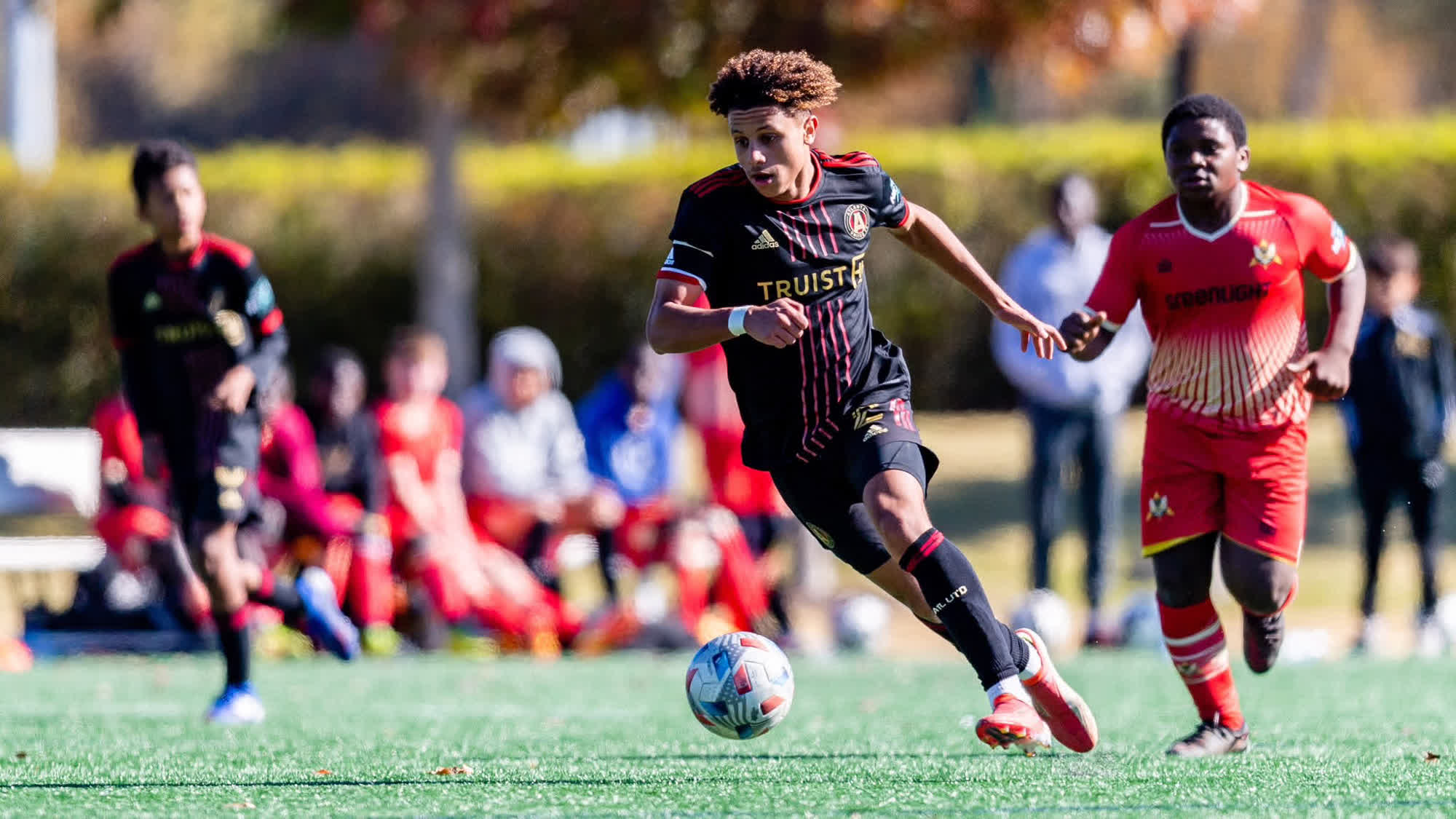
Torres enters 2026 as the literal blueprint for the club’s development pyramid - the first player in Atlanta United history to work his way through every level of the pathway, from the Regional Development School to the First Team. Now 18, he represents the ultimate proof of concept for the academy’s ability to produce professional-grade talent. The club signaled his proximity late in 2025 by naming him to the matchday squad against Inter Miami and handed him valuable minutes during the U.S. Open Cup run.
His on-field production has steadily pulled him into the first-team orbit. Currently occupying a Supplemental Roster slot, Torres carries no cap charge, making him one of the most cost-efficient assets on the books.
THowever, his path to the starting XI remains blocked by Ajani Fortune. The 2026 season serves as a critical evaluation period for both: the club must provide Fortune with significant minutes to verify his health and market value following his 2025 injury. Consequently, Torres will likely see the bulk of his playing time with ATL UTD 2 again this year. This allows him to maintain match fitness while the front office determines if he is ready to step into a primary rotation role should Fortune be moved on.
Because Torres is under contract through 2027, the club is under no immediate pressure to make a move this season. The true decision gate arrives by mid-2027, when Atlanta United will likely trigger his extension. Not just to reward his progress, but to protect his status as a high-value domestic asset and maximize a potential transfer fee. For now, 2026 is about patience and preparation - ensuring that when the door finally opens in the midfield, Torres is ready to walk through it.
Dominik Chong-Qui
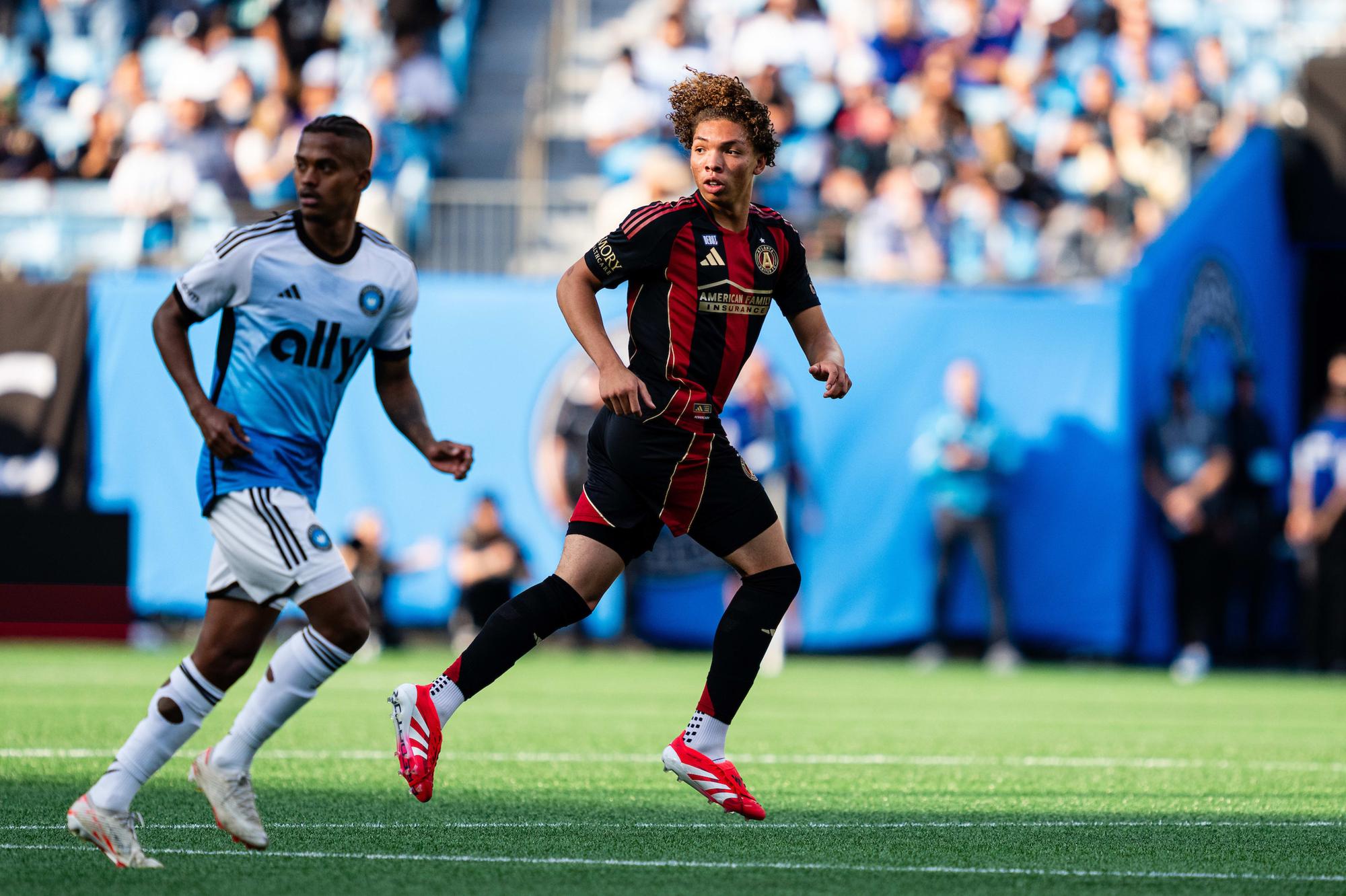
Chong-Qui made his MLS debut on March 1, 2025 against Charlotte FC and later earned a first start versus New York City FC. Those selections placed him inside the first-team rotation at 17 and established that the staff is willing to use him in league matches rather than limit his exposure to reserve play. He remains signed as a Homegrown player through 2028 with a club option for 2029, keeping him on the senior roster and eligible for continued matchday inclusion.
The practical question for 2026 is how his minutes are handed out. Chong-Qui has already cleared the threshold for MLS selection, but he now needs consistent game time to refine his 1v1 defensive instincts and technical touch at game speed. If he is only receiving five or ten-minute cameos for the first team, it is arguably worse for his growth than playing 90 minutes every week elsewhere. If the coaching staff does not feel he is ready for a consistent substitution role, he should be loaned out to obtain meaningful time on the pitch.
For a player of his ceiling, 2026 should be about more than just a presence on a matchday squad.
Cooper Sanchez
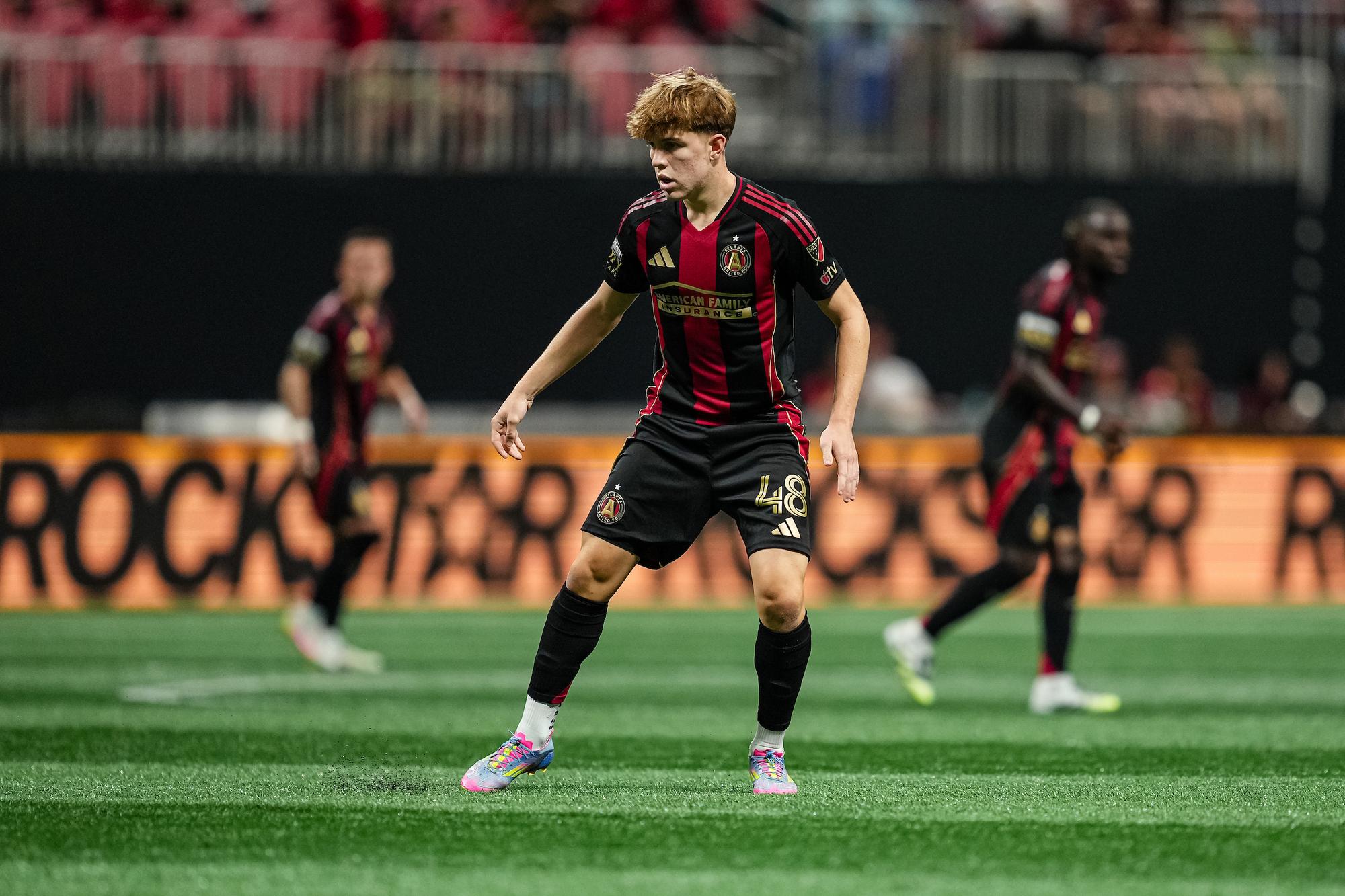
Cooper Sanchez became the youngest player in club history to debut for ATL UTD 2 at 15, and the club has since committed to him through 2026 with options for 2027 and 2028. Sanchez signed his professional deal on August 5, 2025, debuted in the Leagues Cup against Atlas FC the following day, and earned his first MLS start in October against Inter Miami. Between those club appearances, he logged more than 700 minutes with the USYNT, including three starts at the U-17 World Cup, accelerating his exposure to international tempo and decision speed.
The rapid nature of his rise changes the pressure for those in his position. When a 17-year-old is already being trusted in high-leverage matches, the temptation is to keep him permanently with the senior squad. However, he needs consistent minutes now more than first-team appearances. Sanchez needs consistent, repeatable minutes where defensive positioning, recovery runs, and central spacing become automatic rather than situational.
For Sanchez, the ideal for 2026 is to be a locked-in starter for the 2’s to maintain his fitness and defensive discipline, while simultaneously being integrated as an occasional second-half option for the first team. He has already shown he possesses the composure to handle the ball at the MLS level; the next step is proving he can influence the flow of a game over a full season, rather than just providing a spark in short bursts.
Santiago Pita
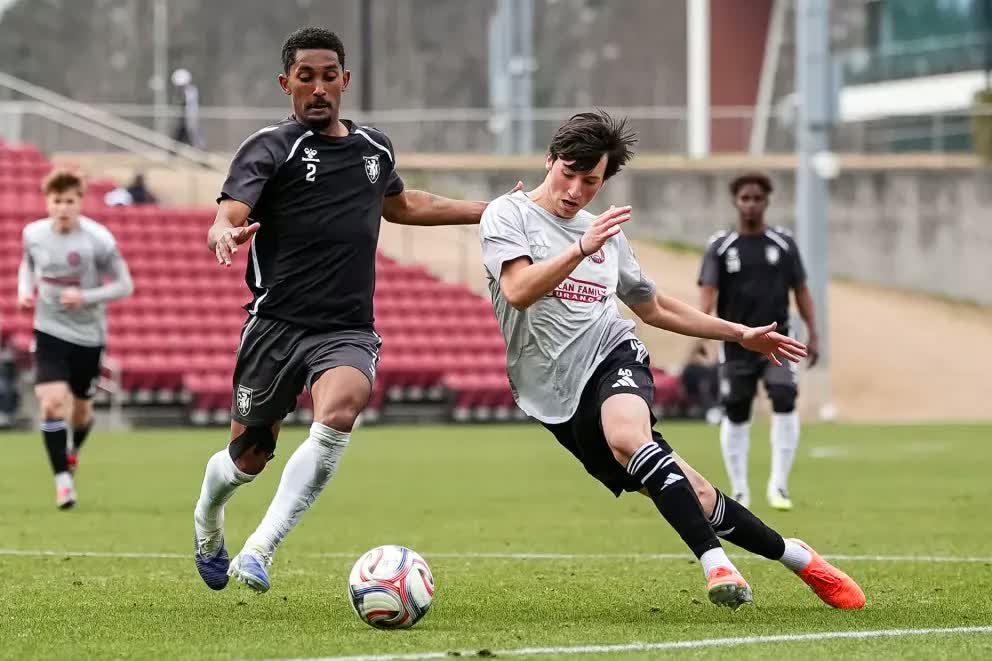
Santiago Pita enters 2026 on a Homegrown deal that runs through the season with club options extending to 2029, and that structure defines his immediate role. Atlanta did not sign him for first-team contribution this year. They secured long-term control over a player whose development timeline allows for growth, viewing him as a key piece of the club’s succession planning.
Pita’s relevance in 2026 is less about competing for MLS minutes and more about establishing professional minutes. Having featured only 12 times for ATLUTD 2 in 2025, he is still in the early stages of adapting to the speed of the pro game. His priority for this season is earning a sustained role with the 2’s to establish defensive habits, positional consistency, and match endurance over a full season.
First-team involvement, if it comes, should be situational. He may see some time as a short-term call-up. Regular substitute minutes at the MLS level would skip a necessary step. His path seems more likely for a 2027 breakout. For 2026, success for Pita looks like high-volume game time in MLS NEXT Pro, ensuring that when a roster spot eventually opens above him, he is ready to step in as a finished product rather than a project.
Will Reilly

At 23, with his 2026 option officially exercised and additional club control through 2028, Will Reilly has moved past the “prospect” phase. He has already logged MLS starts, scored a match-leveling goal against Chicago, and proved his floor as a reliable multi-competition piece.
While Reilly’s 2025 campaign confirmed he can contribute at the senior level, the 2026 midfield remains congested even after the departure of Bartosz Slisz. The arrival of Steven Alzate and Adrian Gill, combined with the versatility of Tomás Jacob and the return of Tristan Muyumba, creates a high barrier for entry. Additionally, younger ATLUTD 2 midfielders continue to push from below. If Reilly is still playing the majority of his minutes with the 2’s by May, it signals that the technical staff views him as emergency cover rather than a regular rotational option.
From the club’s perspective, Reilly’s Homegrown status and low cap hit make him an ideal insurance policy. From the player’s perspective, however, extended MLS NEXT Pro minutes at 23 no longer serve a developmental purpose. Every month spent in the reserve tier is a month where his market value as an MLS-ready contributor begins to erode.
This reality creates a narrow window for the front office. Reilly is mature enough to stabilize an MLS midfield today and inexpensive enough to fit almost any roster construction in the league. If Atlanta doesn’t carve out a consistent 15-20 minute role for him by the summer primary window, his highest value to the club may shift from on-field depth to tradeable asset.
Jayden Hibbert
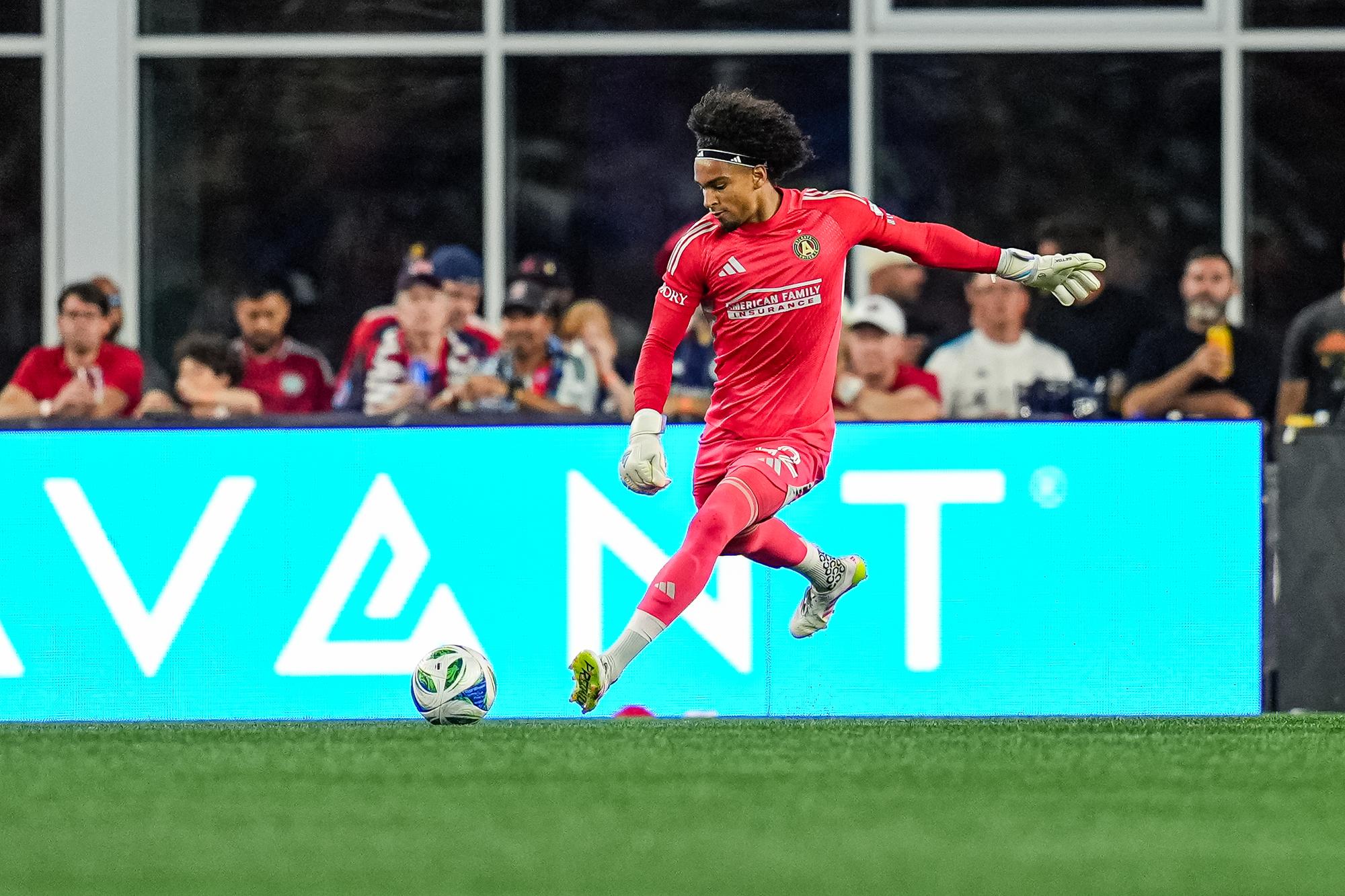
As you have certainly heard many times, Brad Guzan has retired and become a club ambassador. Making the decision on the starting keeper is not an easy choice, as it defines a large portion of team tactics.
Jayden Hibbert, 21, emerged as a significant bright spot during the 2025 campaign, earning eight starts and recording two clean sheets. His performance - highlighted by a standout six-save shift against Nashville SC - proved that he has the physical tools and the composure to compete at the MLS level.
However, the club’s offseason acquisition of veteran Lucas Hoyos signals a measured approach to Hibbert’s development. While Hibbert has shown he is good enough to start, he is still a young goalkeeper in a position where experience is often the most valuable currency. Goalkeepers rarely hit their prime until their mid-to-late 20s, and Atlanta appears wary of forcing the full weight of a starting role onto him too soon.
With Hibbert under contract through 2026 and the club holding options for 2027 and 2028, Atlanta has secured the luxury of time. For 2026, the ideal path for Hibbert involves another year of “baking” to ensure he is fully prepared to be the long-term No. 1. This likely means a hybrid season: serving as the primary backup to Hoyos and potentially seeing sustained minutes with ATLUTD 2 to keep his play sharp. By bringing in a veteran familiar with the system, the club has bought Hibbert the luxury of time. Success in 2026 isn’t necessarily winning the starting job on Day 1, but refining his positioning and command of the box so that by 2027, the transition to the permanent starter is seamless.
Ashton Gordon
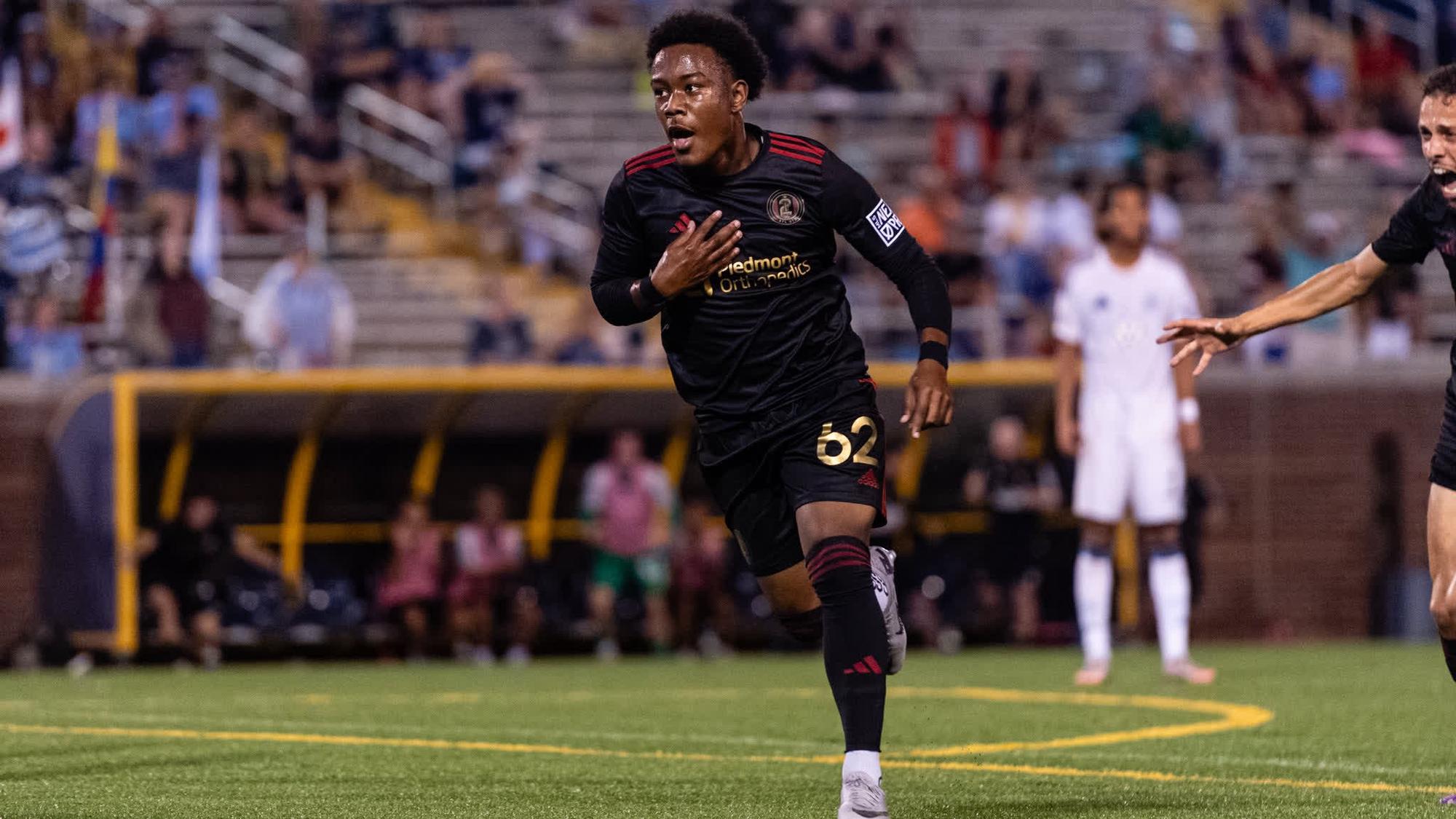
While other Homegrowns are battling for spots in the first-team rotation, Ashton Gordon’s 2026 path has taken him North to Tennessee. On January 7, Atlanta United announced that the 18-year-old forward has been loaned to Chattanooga FC of MLS NEXT Pro for the duration of the 2026 season.
This move is the definition of a make-or-break year. Gordon, a clinical left-footed attacker who helped lead the U-16s to a national title in 2023, now finds himself in a high-pressure trial. His current contract runs only through the end of 2026. While the club holds options for 2027 and 2028, the decision to exercise those options - or offer a more permanent extension - will be dictated entirely by his output in Chattanooga.
The timeline is tight. Typically, a club needs to see progress by the secondary transfer window (mid-season) to commit to an extension. If Gordon doesn’t establish himself as a dominant, full-time starter in MLS NEXT Pro by then, this loan shifts from a developmental step to a personal showcase for his next destination. Success in 2026 isn’t just about gaining experience anymore; it’s about proving he is a vital asset for Atlanta’s future before the clock runs out on his current deal.
Atlanta Has Already Shown the Blueprint
Atlanta has established a clear blueprint for managing its roster pipeline. The Noah Cobb move is the latest case study: when a player’s path to the starting XI is not clear, the club converts that slot into allocation value while the player’s profile still commands a premium.
This strategy reflects a proactive philosophy: act before a crowded depth chart limits the team’s options. Atlanta would rather sell a player while they are still in demand than wait to see if they eventually improve. For the club, staying in control of the timing is more important than keeping a wait and see approach.
The Verdict
Atlanta should not reach the summer window with all of these questions unanswered.
If Brennan isn’t a regular part of the matchday squad by June, and if Fortune hasn’t returned to his best form after his injury, the club must act. They need to move these players while the young talent label still has value in the trade market. Keeping everyone on the roster isn’t depth - it’s hesitation.
2026 is not a development year for this group. It is an audit. And the clock is ticking.
| Player | Age | Contract Situation | Summary |
|---|---|---|---|
| Luke Brennan | 20 | Through 2027 (+ option) | Needs meaningful MLS rotation minutes |
| Jay Fortune | 23 | Through 2026 | Post-injury audit; perform or move by summer |
| Adyn Torres | 18 | Through 2027 (+ option) | Heavy 2’s minutes; pushing for first team |
| Cooper Sanchez | 17 | Through 2026 (+ options) | Sustained 2’s minutes with possible MLS cameos |
| Santiago Pita | 18 | Through 2026 (+ options to 2029) | Long-term project; primary focus is NEXT Pro |
| Dominik Chong-Qui | 18 | Through 2028 (+ option) | Needs MLS exposure; development minutes |
| Will Reilly | 23 | Through 2025 (+ options to 2028) | Immediate decision: rotational depth or trade |
| Jayden Hibbert | 21 | Through 2026 (+ option) | Grooming for No. 1 role; backing up Hoyos |
| Ashton Gordon | 19 | Loaned for 2026 season (+ option) | Loan performance is make-or-break |
VIPs of Atlanta Soccer ATLUTD