 {# Overlay logo in the middle of the banner, no layout shift #}





From Structure to Hero Ball
Five Minutes Undid All the Hardwork in Atlanta's 2-1 loss to New England



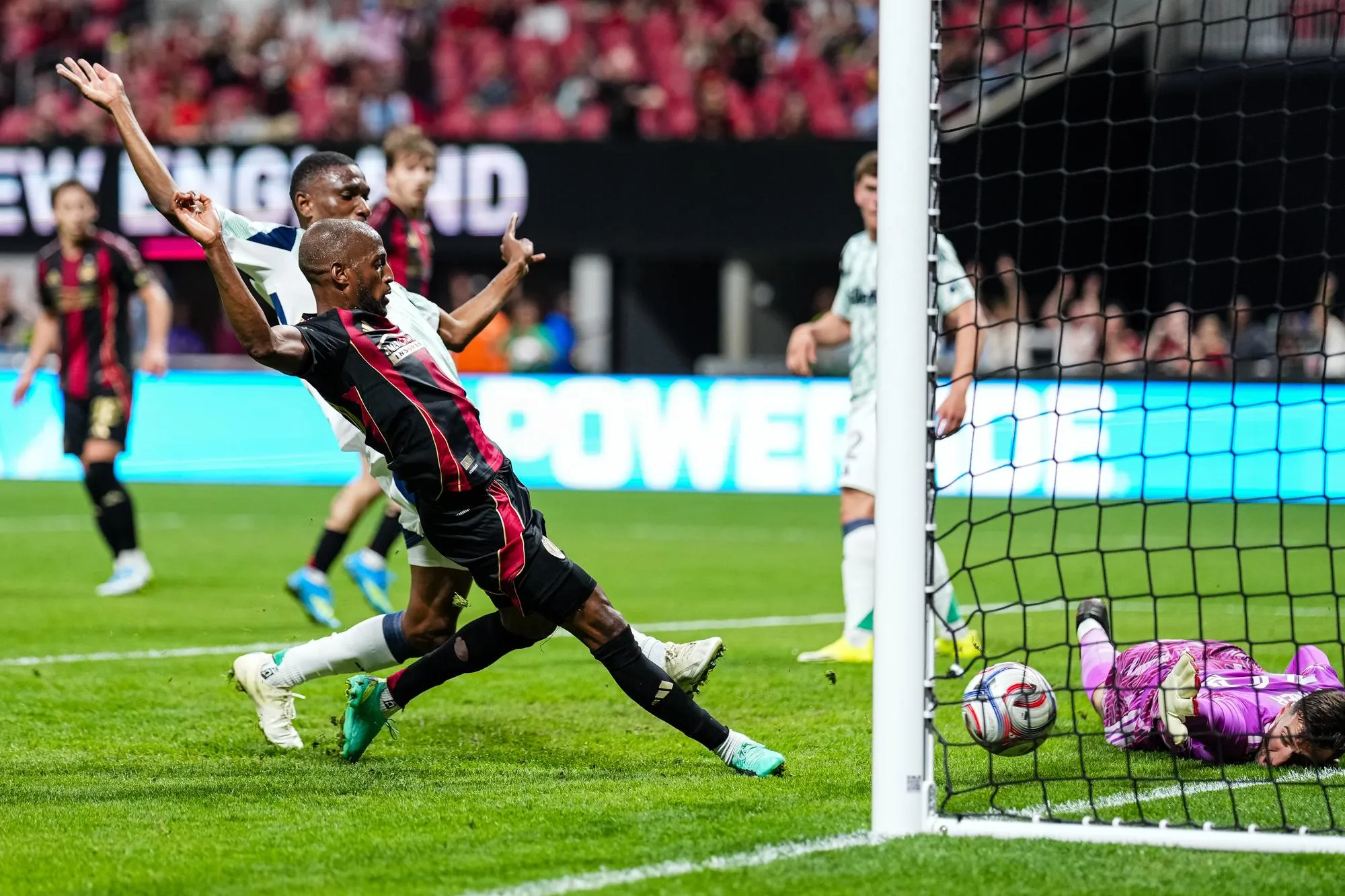
Atlanta United lost. Again. They lost at home to New England. But for most of the game, ATLUTD was in control, playing as a team, moving together, and looked the more likely to score.
It all started with a heavily rotated side as Tata tried to shake something loose. The most notable change was the absence of Latte Lath, replaced by a rotating trio of Miranchuk, Picault, and Lobjanidze. That shift changed the nature of the attack. Instead of playing into a fixed striker, Atlanta built through movement and interchange, with players arriving into spaces rather than occupying them. Behind them, the return of Amador added consistent width and forward runs from the left, while Berrocal’s presence helped hold the defensive line high enough to keep the field compressed.
For most of the game, Atlanta was not sitting back and waiting for opportunities to appear. They were creating them through movement that carried from one action into the next. When the ball went wide, there was already a runner overlapping. When a cross was delivered, there were players arriving not just for the first contact, but for the second ball. When possession broke down, it did not reset the play - it became the start of the next phase because Atlanta were already stepping forward to win it back.
But then came the five minute stretch which undid all the hard work. All hell broke loose. One moment Atlanta were still connected, still moving in coordination, and then suddenly the structure was gone. ATLUTD stopped playing as a team, resorting to hero ball.
1st Half
Atlanta’s first-half performance revolved around how effectively they turned wide progression into continued attacking phases, and that pattern was established immediately. Inside the opening minute, Amador overlapped Picault on the left, arriving into space before New England’s defensive line had fully set, and the resulting chance went begging but forced the back line to turn and recover toward their own goal. That first attack was not an isolated event. Within minutes, Amador delivered another cross, this time carrying all the way across to Edwards on the far side, showing that Atlanta were not probing but repeatedly accessing the same spaces before New England could adjust.
Those early sequences quickly turned into sustained pressure as Atlanta did not allow the ball to settle. Reilly chipped a ball forward that found Galarza, and instead of the play ending there, Picault redirected it centrally toward Saba, extending the sequence through multiple touches inside the attacking third. Each action depended on the next player already arriving, and each arrival ensured that the ball stayed in New England’s half rather than being cleared away.
That pressure was reinforced by how Atlanta positioned themselves after each delivery. When crosses entered the box, players were not only attacking the first contact, but already positioned to contest the second ball. Loose clearances dropped into areas where Atlanta had numbers, which allowed them to recycle possession immediately and continue attacking without resetting shape. The result was a stretch where the game remained almost entirely in New England’s half, with Atlanta dictating both territory and tempo.
Picault’s movement drove much of that early control. He was constantly moving across the line and into channels, repeatedly pulling defenders with him and creating space for others to arrive. His off-ball runs forced New England’s back line to make constant adjustments, opening gaps for midfield runners stepping into the attack.
On the right side, Edwards and Saba maintained width and worked in tandem, ensuring that Atlanta could switch play and continue attacking from either flank. Their positioning prevented New England from collapsing centrally, because any shift inside left space available on the outside, and Atlanta consistently found those outlets. Even high up the pitch, Atlanta condensed the pitch when possession changed. When New England attempted to receive near the top of the box, multiple Atlanta defensive players stepped immediately, surrounding the runner and removing passing options before they developed. That constant pressure prevented New England from building through midfield and forced them into isolated looks at goal.
New England’s first real threat came as a lightning strike without warning. The Rev’s Yusuf received the ball at the top of the box, turned, and struck cleanly into the top right corner, beating Hoyos and silencing the crowd. The finish came out of nothing, with no preceding sequence to force the defensive shape to shift, which made it stand apart from the rest of the half. The game then stalled into a prolonged VAR review stretching on for several minutes. The referee was called to the monitor, and the decision ultimately came back as offside interference, with a New England player judged to be affecting Hoyos’ line of sight. I’ve rewatched this a few times, and feel ATLUTD were fortunate to have escaped this. The goal should have counted. Instead, Atlanta were emboldened, and New England had to refocus.
Miranchuk was doing everything he could to earn the captain’s armband in this game. At one point, he carried the ball all the way back toward Atlanta’s defensive line, in an effort to retain team possession, managed to pass it forward, and then immediately moved forward again to receive the next pass. That action alone linked two phases that would otherwise have been disconnected, allowing Atlanta to maintain control rather than forcing a pass into a closed space. Off the ball, Alexey was often seen praising his teammates.
Physical moments also emerged within those sequences. A long ball toward Picault resulted in a head-to-head collision with the right back, stopping play temporarily, but even that moment reflected Atlanta’s intent to play forward quickly and challenge for 1st and 2nd balls.
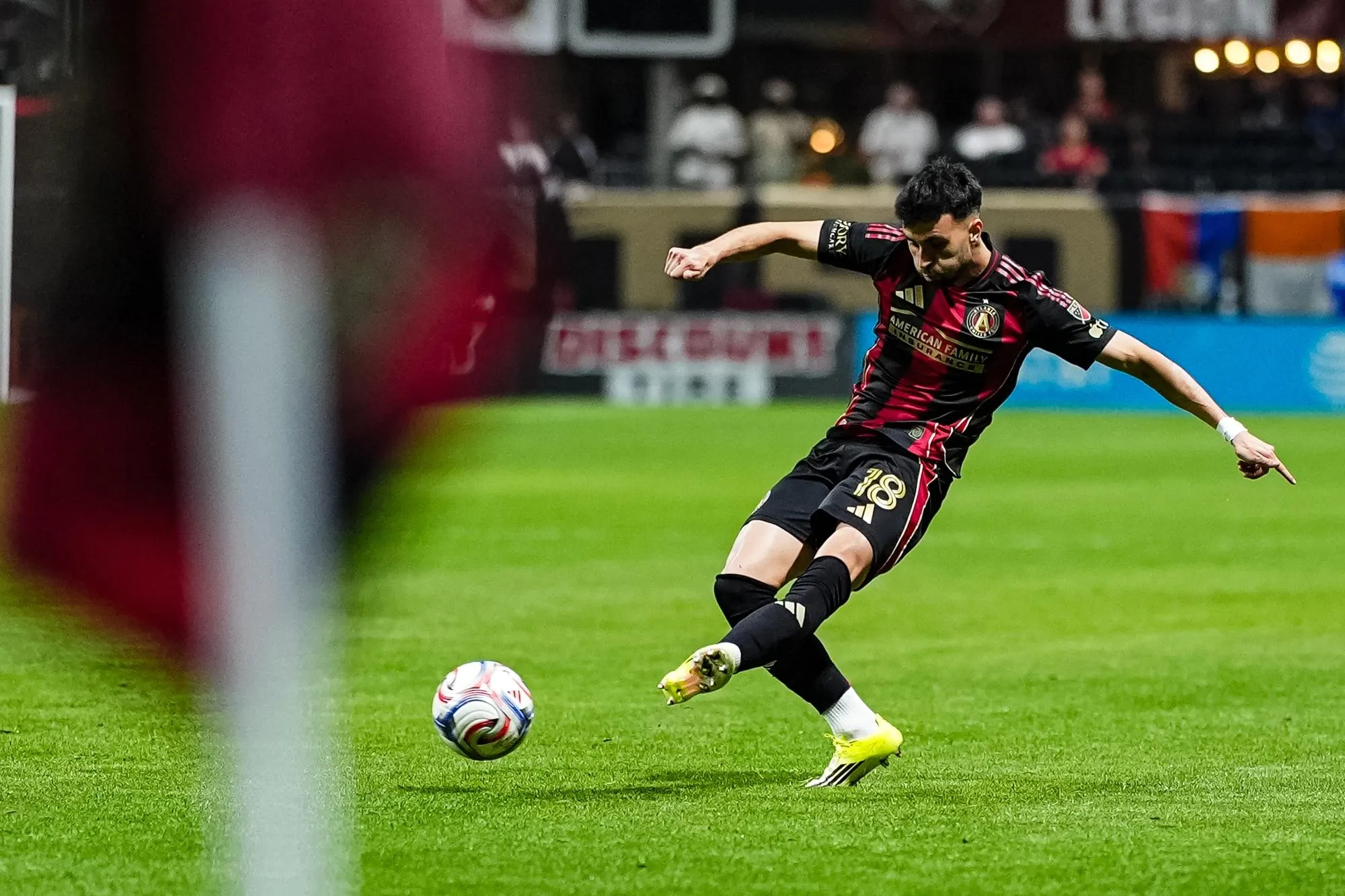
As the half moved into its later stages, Atlanta continued to generate chances. Picault sprinted down the left and delivered a cross to Miranchuk, whose shot went just over the bar, reinforcing how often Picault was involved in the final action of each sequence. His presence across the attacking line ensured that Atlanta always had a runner arriving into dangerous areas.
Defensive sequences fed directly into attacking ones during this period. A series of defensive plays near midfield drew a strong reaction from the crowd, and those recoveries immediately turned into forward movement, pushing Atlanta back into attacking positions before New England could reorganize.
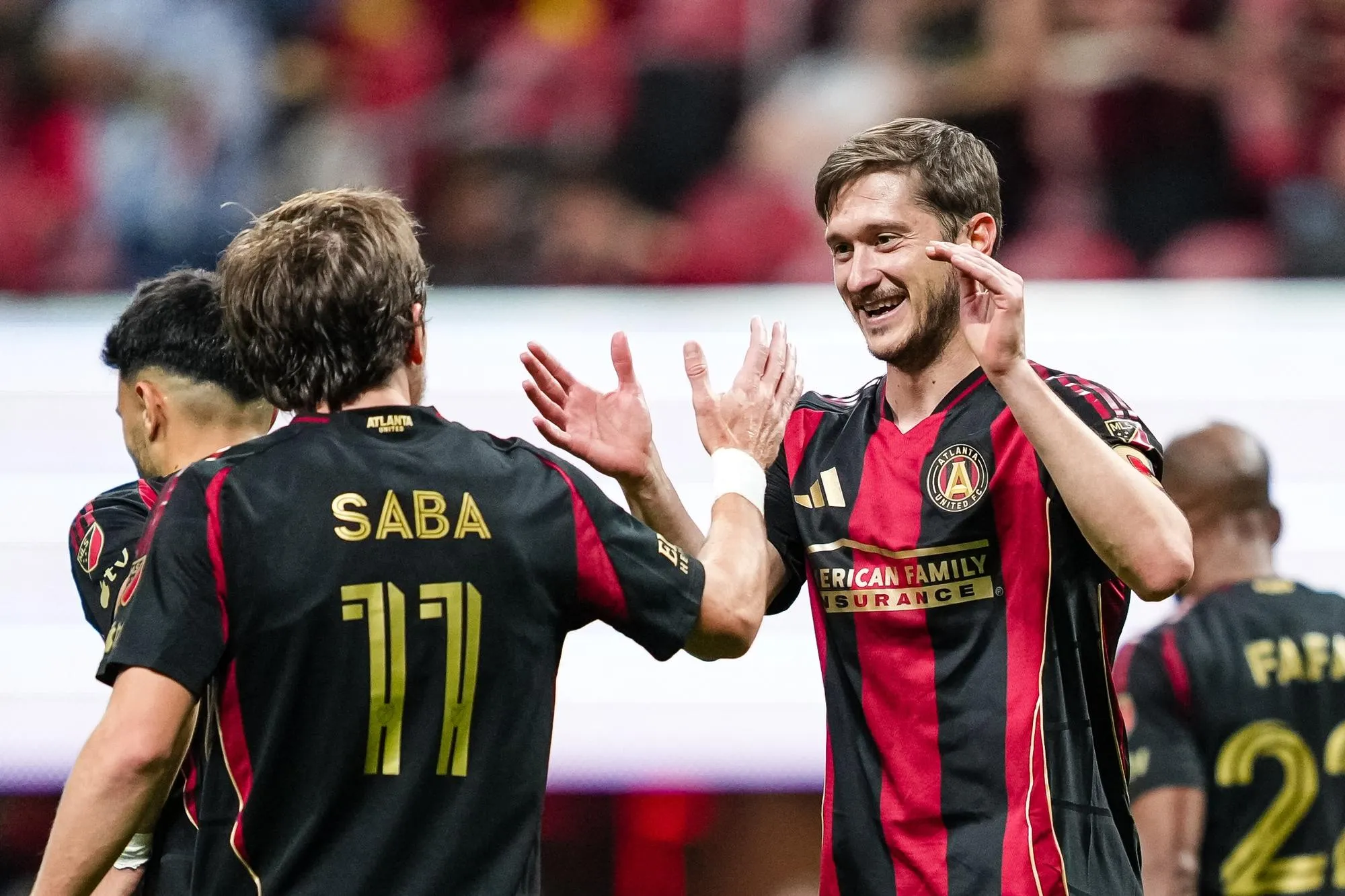
The breakthrough in the 39th as Amador stepped forward to keep a ball from going out of play. His pass into the center allowed Saba to strike. The initial save did not end the attack because Picault had already positioned himself to arrive on the rebound, finishing the move and giving Atlanta the lead. The goal contained every element of Atlanta’s first-half structure: wide progression, second-phase recovery, and coordinated movement inside the box.
The reaction inside the stadium reflected more than just the scoreline. The crowd’s response carried relief, as the goal finally matched the balance of play and removed the uncertainty created by the earlier disallowed effort. Importantly, Atlanta did not retreat after taking the lead. They continued to build through connected passes, with sequences that advanced the ball step by step into the attacking third. Even when possession broke down, players were already moving to recover, as seen when Sanchez anticipated a turnover and stepped into position before the ball was fully lost, preventing a transition.
Miranchuk remained active through the closing minutes of the half, taking a shot from outside the box that forced a diving save, which reinforced Atlanta’s continued pressure even after going ahead. Around him, Reilly and Sanchez covered ground across the midfield, often vacating central positions to contest loose balls, which maintained pressure but occasionally left space that New England attempted to exploit.
The half closed with Atlanta still dictating the match through effort and organization. Multiple players continued to challenge for every loose ball, often sending two players into the same contest to ensure control. The crowd’s response reflected that effort, recognizing the collective work required to sustain the pressure that had defined the first 45 minutes.
2nd Half
Atlanta opened the second half by pushing New England back immediately, restarting the same style of play that closed the first half. The ball moved forward early, and the defensive line held high enough to keep play in front of them. But the first warning came when New England reached the right corner and Edwards was forced into a recovery challenge from behind, earning a yellow. That moment did not produce a goal, but it showed that New England could reach the edge of the box faster than they had in the first half.
The free kick that followed cleared everyone and went out, ending the immediate threat. ATLUTD looked to transition forward quickly. Miranchuk flicked a ball into Saba’s path, creating a one-on-one for Saba to take the ball into the Revs box. Instead, Saba loses control of the ball in questionable decision making. New England then held possession for a longer stretch, moving the ball side to side and probing for an opening. The Revs were trying to slow the game enough to prevent immediate turnovers.
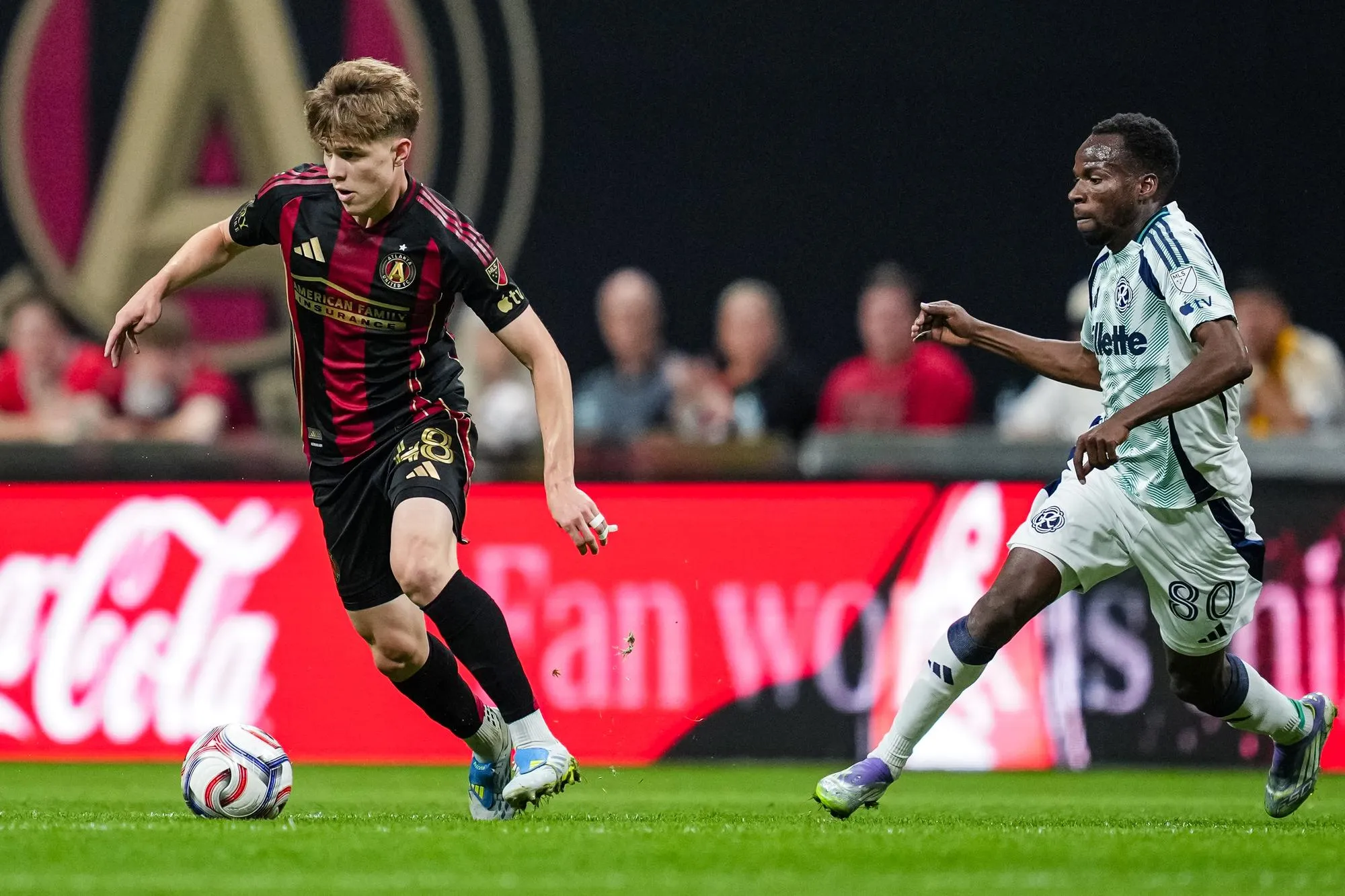
Sanchez recovered a loose ball deep and immediately turned upfield, pushing the pass forward into Galarza’s path before New England could reorganize. Galarza took the shot from distance, which ended the sequence quickly. It did however force New England back and reset Atlanta’s presence in the attacking half.
Atlanta followed that action with a more coordinated sequence through the middle. Miranchuk received and played into Saba, who returned it back into Miranchuk’s path before the ball was worked forward again toward Picault inside the box. Each pass moved the defense a step deeper, and each movement created the next passing lane, carrying the ball from midfield into a shooting area through combination play. With the continued theme of the season, the sequence broke at the final moment, with New England stepping in to clear before a shot could be taken. But the progression showed that Atlanta could still move through central spaces when the timing held. The attack did not end with the first pass forward; it advanced through multiple touches before being stopped inside the box.
The pressure increased as the half progressed. Galarza struck a shot that deflected and nearly found the net, missing by inches, and Miranchuk followed with a long-distance effort that forced a save and a corner. Each attempt added to the previous one, building a stretch where New England remained pinned in their half and reacted to each new phase rather than initiating their own.
Set pieces extended that pressure further. A free kick delivered into the box found Galarza’s head, then dropped to Picault, whose shot went just wide, continuing the sequence of second-phase opportunities inside the area. New England struggled to exit their half during this stretch. Clearances returned quickly, and Atlanta reorganized immediately to attack again, maintaining a structure where players were already positioned to continue the next action rather than retreating. The match settled into a pattern where Atlanta controlled both territory and tempo, and the second goal felt imminent as the number of attempts continued to grow.
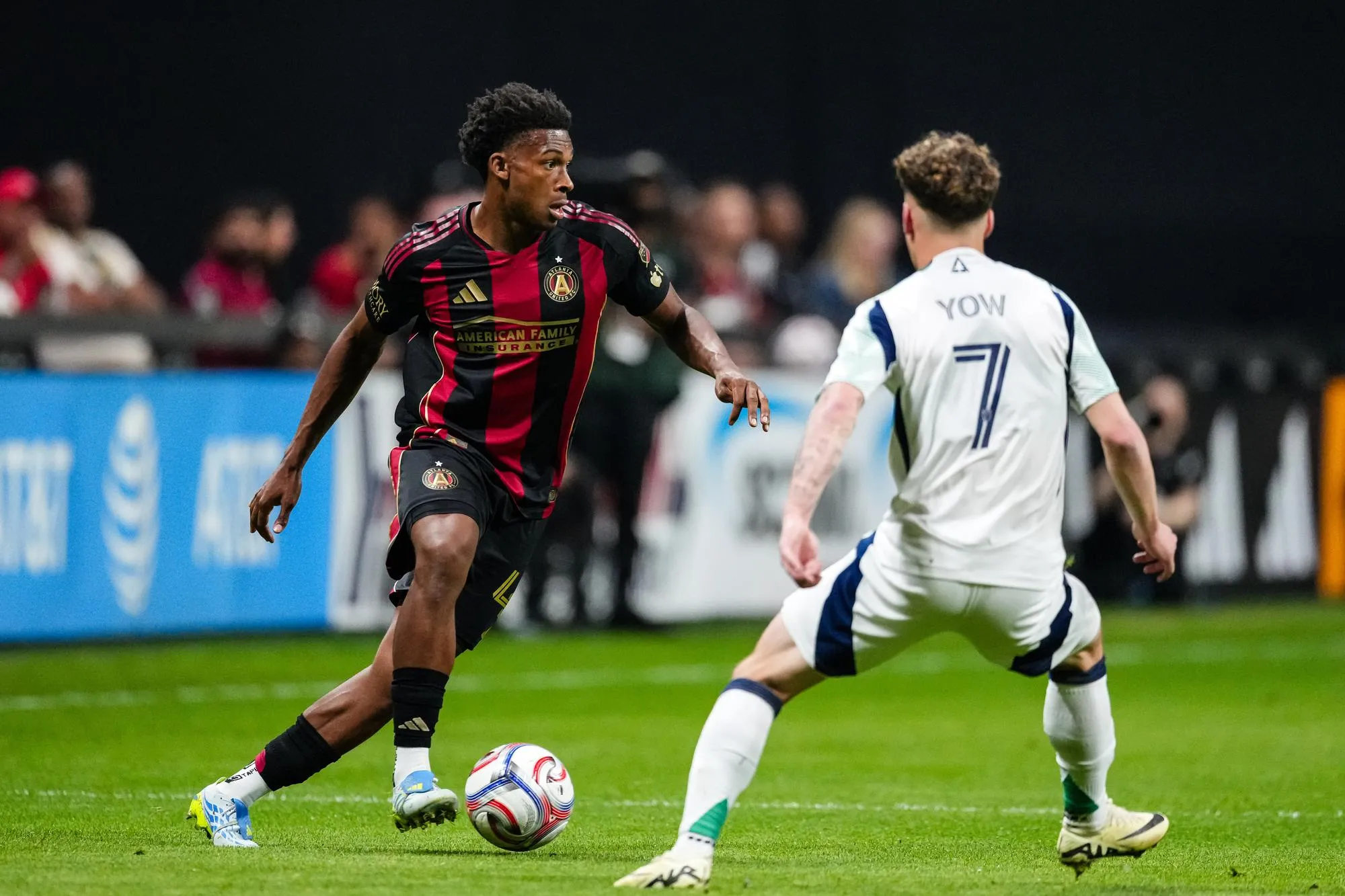
That sense of inevitability showed in the moments leading into the 70th minute. Picault drove forward into a breakaway but was surrounded by no less than five New England defenders, holding the ball longer than should have been allowed. Even then, the pressure continued. A free kick in a dangerous position led to Saba attempting a direct shot, which went wide, drawing a reaction from the crowd that reflected the expectation that a goal was coming. Atlanta were still creating, still advancing, still forcing New England to defend.
By the 70th minute, New England were still struggling to move the ball out of their half, and Atlanta remained organized in both attack and defense, holding the structure that had controlled the match. The ball continued to return to Atlanta after each clearance, and each return became the start of another attacking phase.
The control was still there. But ATLUTD just could not get a second goal.
And then…
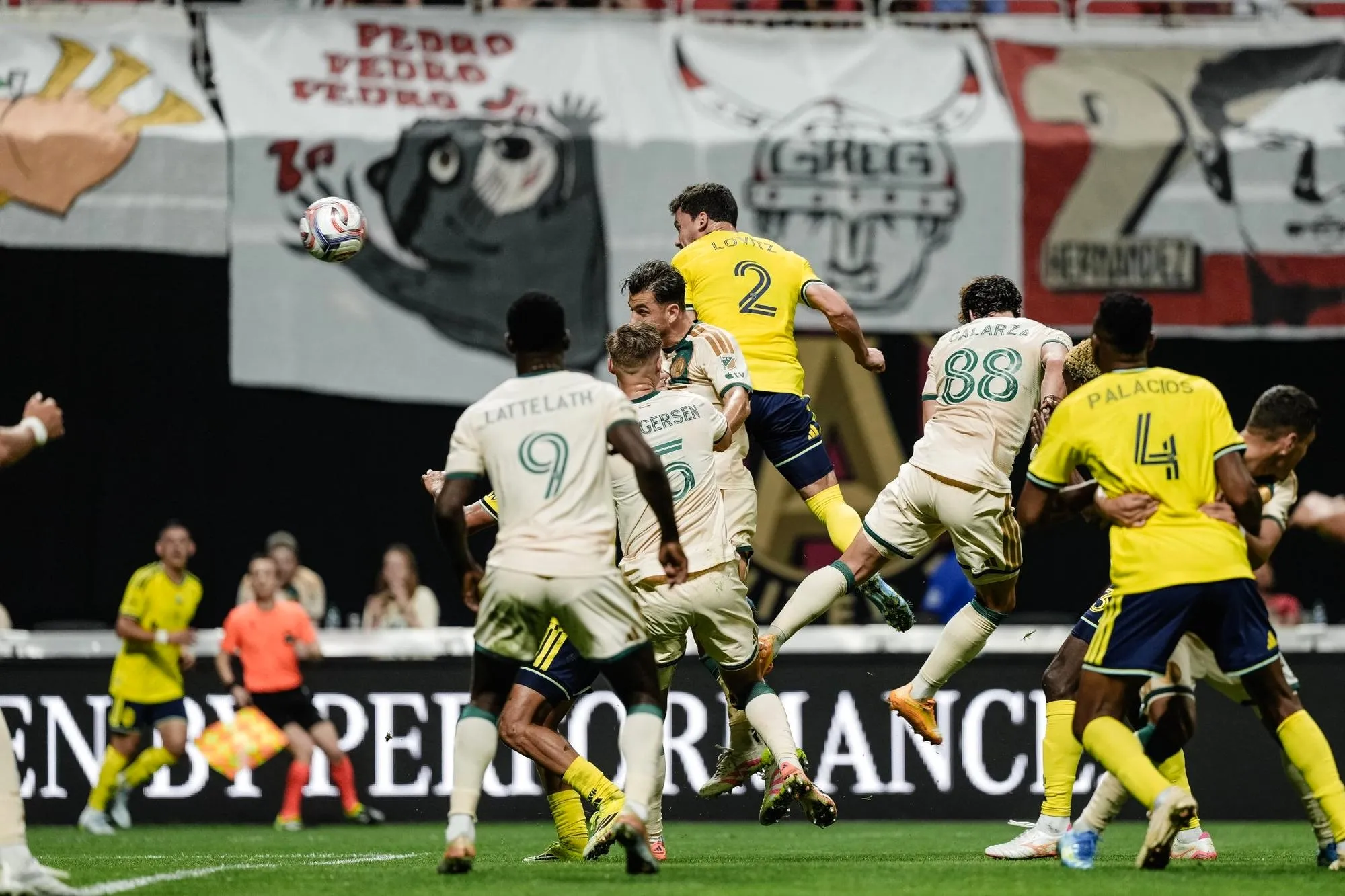
New England forced Atlanta all the way back to their own end line. A blocked defensive action sent the ball out for a corner. The delivery that followed did not come in with pace. It hung in the air. The ball stayed in the air long enough for players to set themselves, adjust, and react, but no one took control of the space. Sands met it at the far post with a light header that drifted into the corner. Perfect placement. But the defensive line absolutely should have done better.
The goal came from a single set piece that Atlanta did not attack properly. At the moment of contact, New England had generated just 0.09 expected goals up until that point. One floating ball. One touch. 1-1.
The crowd silenced, the energy dropped. The Revs were emboldened and stayed forward. Within minutes, a long-distance shot forced Hoyos into a diving save, pushing the ball wide. Atlanta had a chance to respond through transition. Amador cleared from a defensive sequence into Saba’s path, sending him the length of the field with space ahead. The run carried through midfield into the final third, but the shot came weakly. The moment required a finish to restore control. Instead, it returned possession.
New England did not need to build the next attack. They entered once more and sent a cross across the six-yard box. Miller attacked the space in front of Mihaj and reached the ball first, finishing from close range before the defense could recover. Two incursions into the box. Two defensive lapses. Two goals. We don’t have a problem of how we managed the second half. We have a problem with how we had to defend two plays. Tata Martino, ATLUTD Head Coach Post-game Press Conference It is heartbreaking. This is the match that we went ahead and felt like we had them, but it just crumbled. Fafà Picault, ATLUTD Winger - Post-game Press Conference 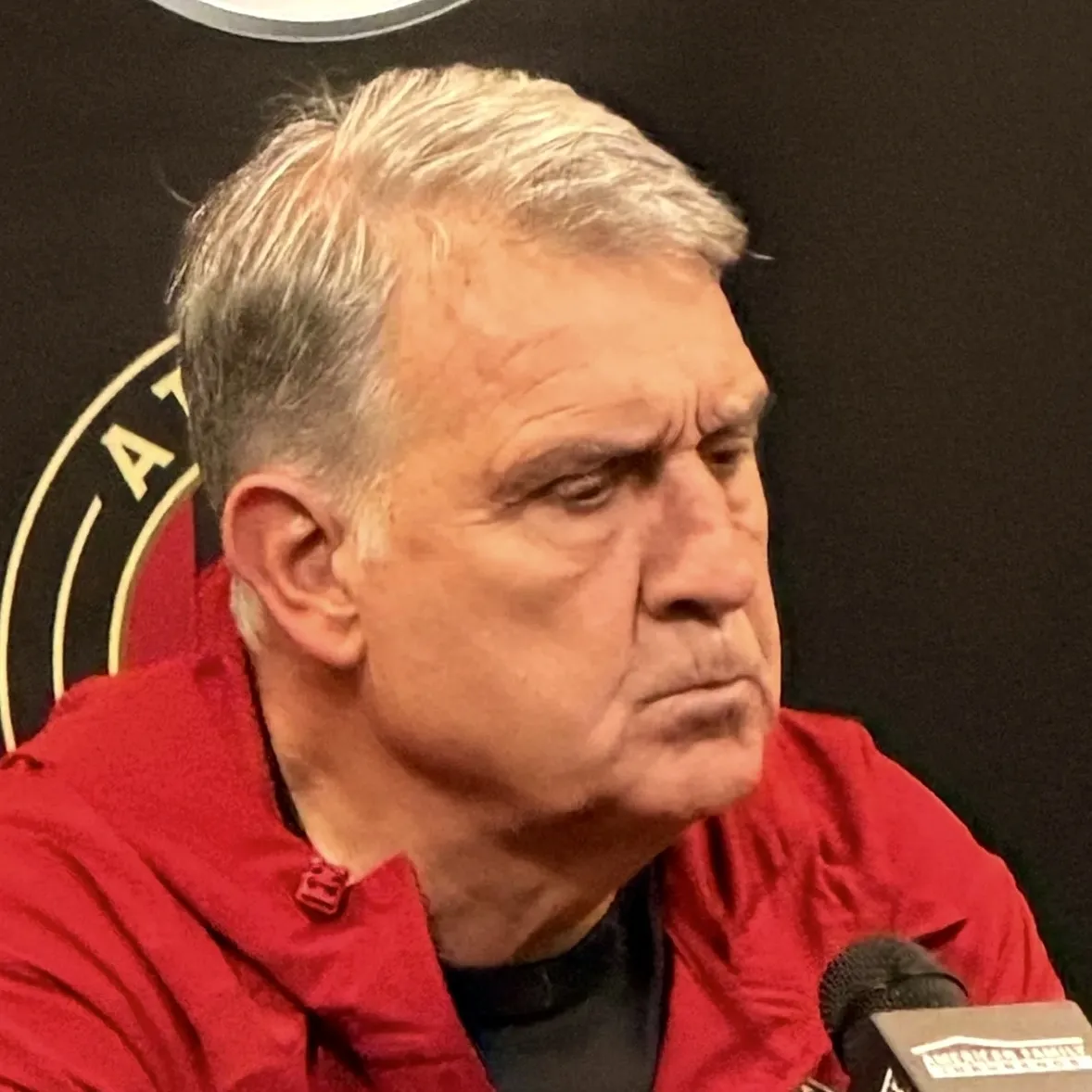

After the second goal, Atlanta won the ball and played forward immediately. The pass skipped midfield and went straight into the final third, but there was no support around it, and the move ended as soon as it arrived.
Saba’s run showed the change. He carried the ball the length of the field with space ahead, but no runners arrived with him, and the move ended with a weak, blocked shot. Earlier in the match, that run had options. Here, it ended with him.
The next attacks ended the same way. Crosses came in with no one arriving to meet them. Shots were taken as soon as the ball arrived. And New England easily cleared without pressure.
Atlanta were still trying. But it was all individual. ATLUTD were no longer playing as a team.
Player Impressions
Player Involvement
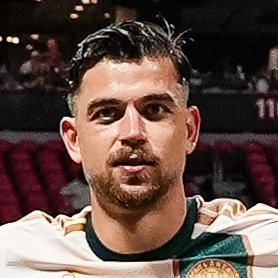
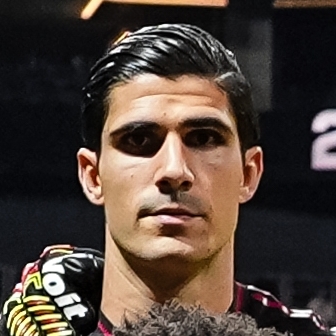
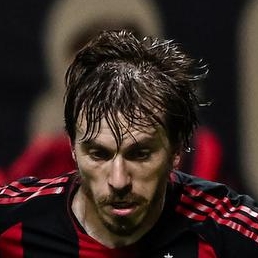
A quick visual of which players appeared in my match notes. This is based on my own observations and note-taking, so it is subjective.
1st Half
2nd Half
| Game Phase | Minute | Game Note |
|---|







Closing Thoughts
Atlanta controlled the match through coordinated movement, sustained pressure, and defensive organization that limited New England’s opportunities. The statistical profile reflects that control, with Atlanta producing 21 shots and 2.47 expected goals compared to New England’s seven shots and 1.10 expected goals, while entering the box 37 times to New England’s 11. The performance aligned with the visual pattern of the match: one team creating repeated chances, the other relying on isolated moments. We controlled the game. Today we had five or six scoring chances. We were winning, we didn’t have to come back which always brings us disorder. But we didn’t resolve things in the box where we attack and we weren’t efficient in the box we were defending. Tata Martino, ATLUTD Head Coach Post-game Press Conference
New England finished two of their four shots inside the box. Atlanta did not.
The larger issue is what followed the New England goals. When the match turned, Atlanta did not return to the style of play which gave it control. The connections between players broke, runs came without support, and chances went begging. Shots were taken as soon as the ball arrived. Tactics gave way to hero ball.


44' - Galarza 🟨
47' - Edwards 🟨
⚽ Miller - 78'
🟨 Raines - 87'
🟨 Feingold - 90+2'

Comments
Comments and reactions are powered by GitHub Discussions. A GitHub account is required to comment, reply, or react. You will be asked to authorize Giscus to post through your GitHub account. Comments are screened automatically. Personal attacks, discriminatory language, threats, spam, and comments unrelated to the article will be hidden or removed.