 {# Overlay logo in the middle of the banner, no layout shift #}





Martino’s rotated lineup collapsed under Orlando’s early pressure
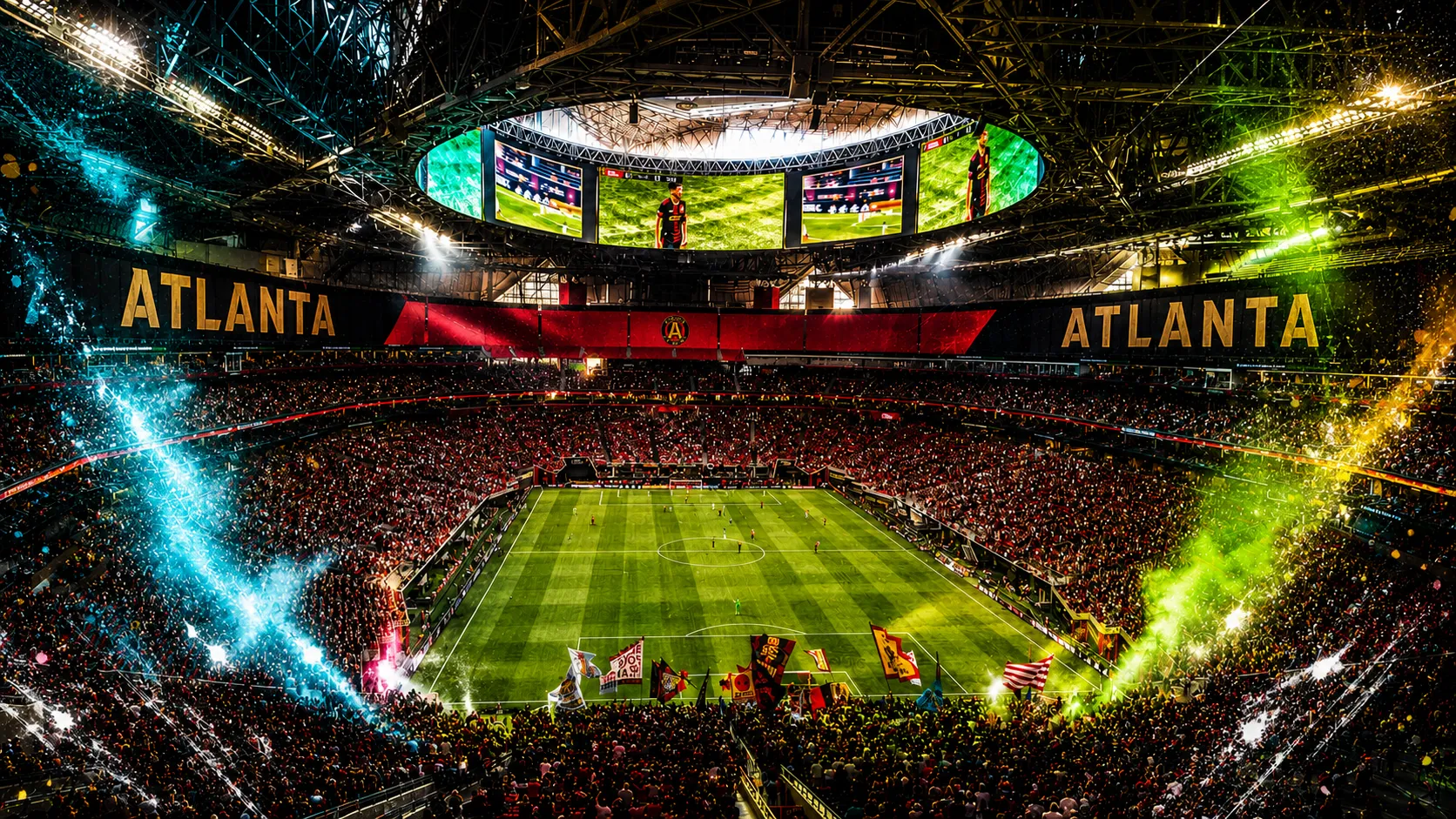
ATLUTD shell-shocked from a 4-1 pummeling by Orlando



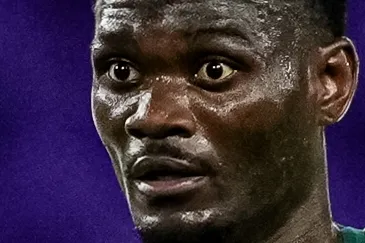
Orlando were supposed to be tired. Atlanta was supposed to have demoralized them after the previous meeting. Neither got the memo.
Three days after ATLUTD controlled the opening half hour at Mercedes-Benz, Orlando City arrived at Inter&Co Stadium and immediately dictated the match. Tata Martino changed the structure, rotated seven players into the starting lineup, and tried to match Orlando’s front line with a different defensive look. The idea itself was not reckless. Orlando had used its forwards to stretch Atlanta in the previous meeting, and Martino believed the adjustment would let Atlanta meet that pressure while using fresher legs. But it was clear from the lineup and opening moments that this would not work.
Orlando looked like the fresher side from the opening whistle. Atlanta’s back line spent the first half retreating toward its own goal, dealing with waves of attacks. Orlando scored four times before half. It could have been more.
The 4-1 defeat ended Atlanta’s U.S. Open Cup run in the quarterfinals.
1st Half
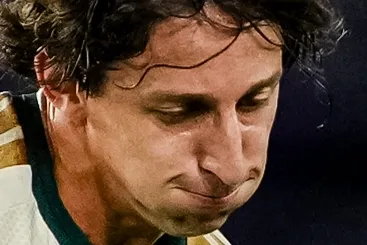
Atlanta’s spacing failed immediately. Orlando moved the ball wide after an early recycled corner, Braian Ojeda had enough room on the right wing to pick out David Brekalo, who attacked the box without enough pressure around him. His fifth-minute header gave Orlando the lead and immediately forced Atlanta into the kind of match its changed shape could not handle.
Minutes later, Griffin Dorsey ran into space behind Atlanta’s back line three minutes later, carried the ball toward goal, and forced Matt Edwards into a goal-line clearance. Orlando had already turned the match into a channel-running problem for Atlanta’s outside center backs.
Atlanta’s best first-half response came from the left side. Jay Fortune played Elías Báez into the box in the 14th minute, Báez lifted a cross to the back post, and Alexey Miranchuk arrived unmarked. The header missed wide, but the sequence was one of the few moments when Atlanta moved quickly enough to attack Orlando before its defensive shape was set.
Orlando punished the miss two minutes later. Iván Angulo ran onto a through ball behind Atlanta’s line, drove into the box, and squared the ball across goal for Dorsey to finish. The goal was not just another defensive lapse. It was the same problem repeated with more damage: Atlanta’s midfield pressure never slowed the first pass, the back line dropped in recovery, and Orlando’s runner arrived with the play already moving toward goal. [I thought] the team was up to an evolution in its play, and the idea was to match up with the five forwards that [Orlando] use and we weren’t prepared for that and it’s absolutely my responsibility. Tata Martino, ATLUTD Head Coach - Post-Match Press Conference 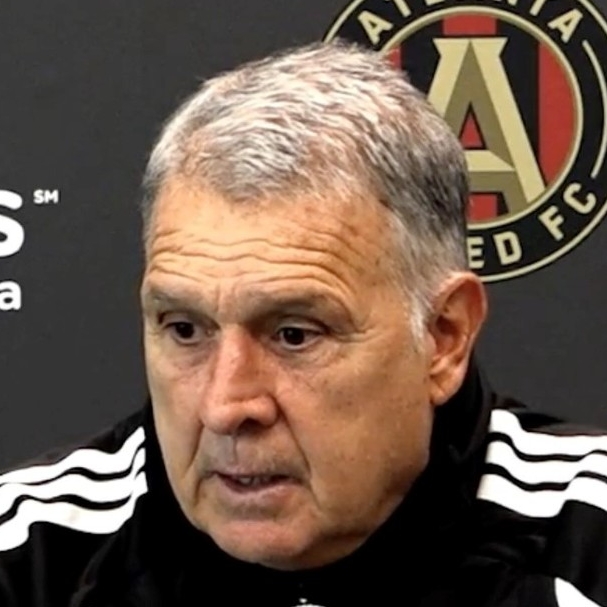
Latte Lath nearly gave Atlanta a way back into the match in the 20th minute when he hit the post from outside the box. That chance briefly showed why Atlanta still had enough attacking quality to trouble Orlando when the ball reached the front line cleanly. It did not give the impression of resilience though, because Atlanta could not keep the match in Orlando’s half long enough to build pressure around the rebound or the next possession.
The third goal came from a different kind of mistake but led to the same conclusion. Tiago Souza intercepted a pass from Jayden Hibbert in the 24th minute and finished with his right. Atlanta had already been under pressure from Orlando’s running behind the line, and the giveaway turned that pressure into a scoreline that reflected the instability of the half.
Hibbert kept the match from getting worse before stoppage time. He saved a Souza one-on-one in the 36th minute, then denied Martín Ojeda in the 39th. Stian Gregersen also had to clear a Dorsey effort off the line in the 36th minute. Those plays showed how often Atlanta’s defensive possessions ended with last-action defending rather than controlled clearances, tackles higher up the field, or pressure that forced Orlando backward.
Souza’s second goal in first-half stoppage time turned a bad half into a decisive one. Atlanta had a few brief moments on the ball late in the half. But those spells did not relieve the danger Orlando carried every time possession flipped. They had already turned Atlanta’s tactic into a sequence of recovery runs, emergency clearances, and exposed space behind the defensive line.
2nd Half
Martino made four changes at halftime, bringing on Juan Berrocal, Tristan Muyumba, Saba Lobjanidze, and Matías Galarza. Atlanta looked more coherent after those changes, but the timing sharpened the criticism of the first half. Martino said the second goal showed Orlando was getting behind Atlanta into space, and that he sent players to warm up after recognizing the problem. When I thought it was the right moment, there were only four or five minutes left in the first half so I decided to wait until halftime to not cause more confusion. Tata Martino, ATLUTD Head Coach - Post-Match Press Conference
That answer does not make the delay easier to defend. Atlanta had already conceded twice, Orlando had already created several chances by attacking the same space, and the correction waited until halftime because the coach did not want one problem to become two.
Atlanta’s clearest early second-half move came in the 54th minute, when Miranchuk, Cooper Sanchez, and Lobjanidze combined inside the box. Lobjanidze’s shot went just wide, but the sequence showed the difference after halftime. Atlanta had players close enough together to combine, the ball moved through feet instead of hopeful service, and Orlando had to defend inside its own penalty area for a stretch.
The 2nd half improvement was still limited. Atlanta had more possession and more shots, but Orlando’s advantage was built on the quality of its chances, not the volume of its touches. Atlanta finished with 16 shots, 59 percent possession, and 85 percent passing accuracy, but Orlando put 10 shots on target and created the cleaner looks around goal.
Latte Lath finally broke through in the 84th minute. Lobjanidze crossed from the right, Latte Lath positioned himself in the center of the box, and he finished powerfully with his right foot to make it 4-1. The goal was Atlanta’s best attacking action of the night because it came from a clean wide delivery, a striker arriving in the right spot, and a finish that did not give Javier Otero time to reset.
Orlando could defend the final stretch with the scoreline, the clock, and the earlier damage all working in its favor. Atlanta’s late possession changed the rhythm of the second half, but it never changed the terms Orlando had set before halftime.
Closing Thoughts
Atlanta’s Open Cup exit works because it looks too much like the overall season. The first half in Orlando was not just poor; it was the kind of half that forces a manager to admit he had things wrong. Orlando found the space behind Atlanta early, kept attacking it, and built a four-goal lead before halftime because Atlanta never found a way to stop the same problem from repeating. My responsibility. Absolutely me. It’s not the responsibility of the players. Tata Martino, ATLUTD Head Coach Post-Match Press Conference
Martino’s in-game decision against Orlando now feels like the clearest way to understand Atlanta’s larger moment. He said the second goal changed the match because Orlando began getting behind Atlanta into space, and he had already sent players to warm up. He still waited until halftime because there were only four or five minutes left in the first half, and he did not want another change to cause more confusion.
That is where Atlanta’s season sits now. The team is not at the beginning of the problem anymore. It has already conceded too much ground, and the need for changes is recognized before the break arrives. The final match before the pause becomes Atlanta’s version of those last minutes before halftime, when the correction is coming but the team still has to survive long enough for it to matter. I understood that the team was up to an evolution in its play and the idea was to match up with the five forwards that they use and we weren’t prepared for that and it’s absolutely my responsibility. Tata Martino, ATLUTD Head Coach - Post-Match Press Conference
Orlando showed what happens when the correction comes after the match has already broken open. Atlanta improved after halftime, with Berrocal, Muyumba, Lobjanidze, and Galarza entering and giving the team cleaner combinations. Lobjanidze eventually supplied the cross for Latte Lath’s 84th-minute goal, but the second half could only reduce the damage because the first half had already decided the match.
The second half of the season cannot follow that same pattern. Atlanta cannot settle for looking more connected after the game state has already turned desperate. The break has to give Martino more than a tidier version of the same team; it has to give him a group that closes the spaces opponents are attacking, protects the back line earlier, and turns possession into pressure before the match begins slipping away.
Berrocal and Galarza leaving as their loans expire makes the break more than a tactical pause. Atlanta is not only adjusting the shape or asking the same players to solve the same problems with more time on the training field. The roster itself is changing, and those changes have to help the midfield and back line handle the exact pressure Orlando exposed.
The question after Orlando is not whether Atlanta can look better after the break. The question is whether the reset can arrive early enough to change the course of the season rather than simply soften the look of a game that has already been lost.
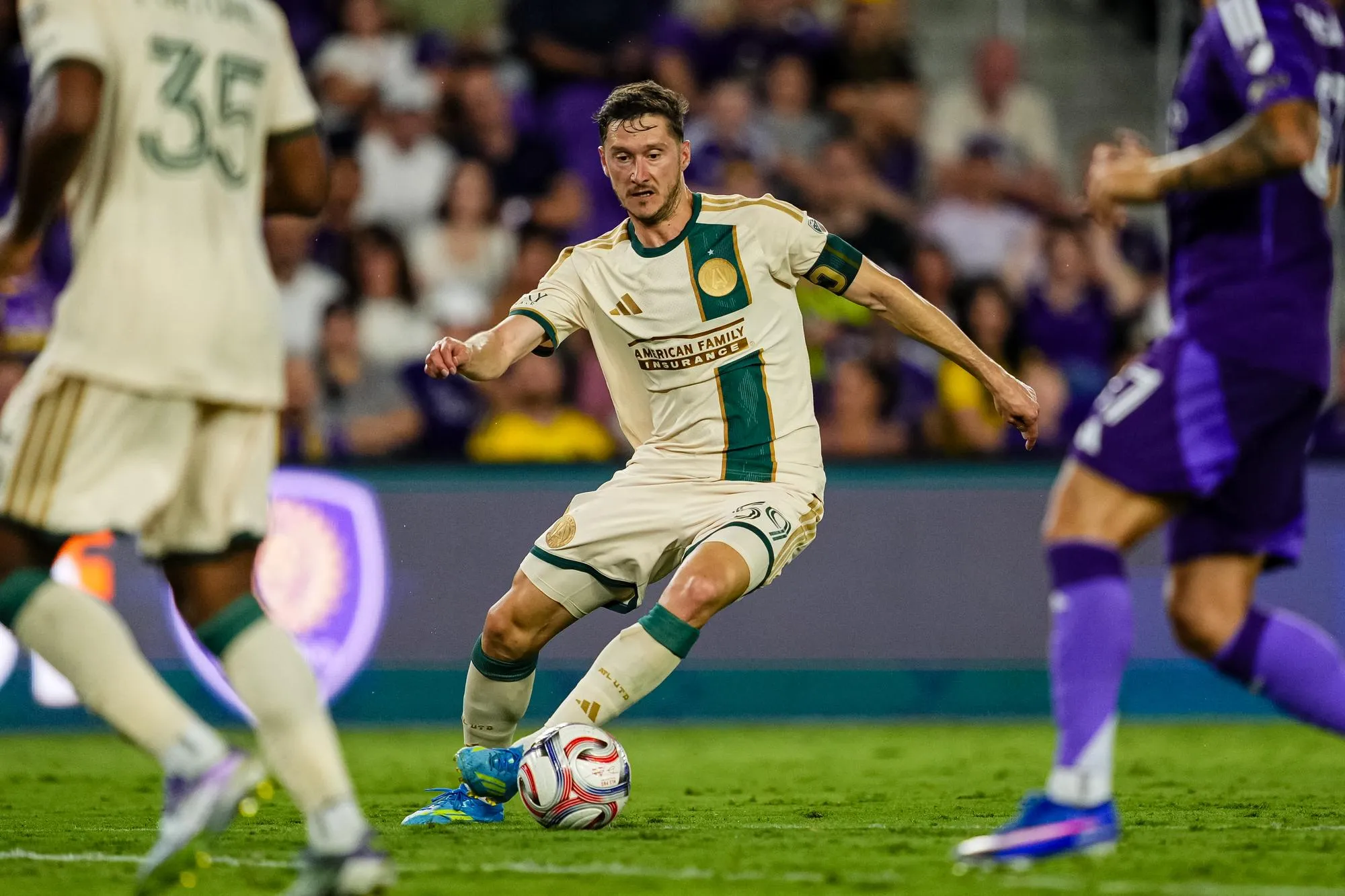
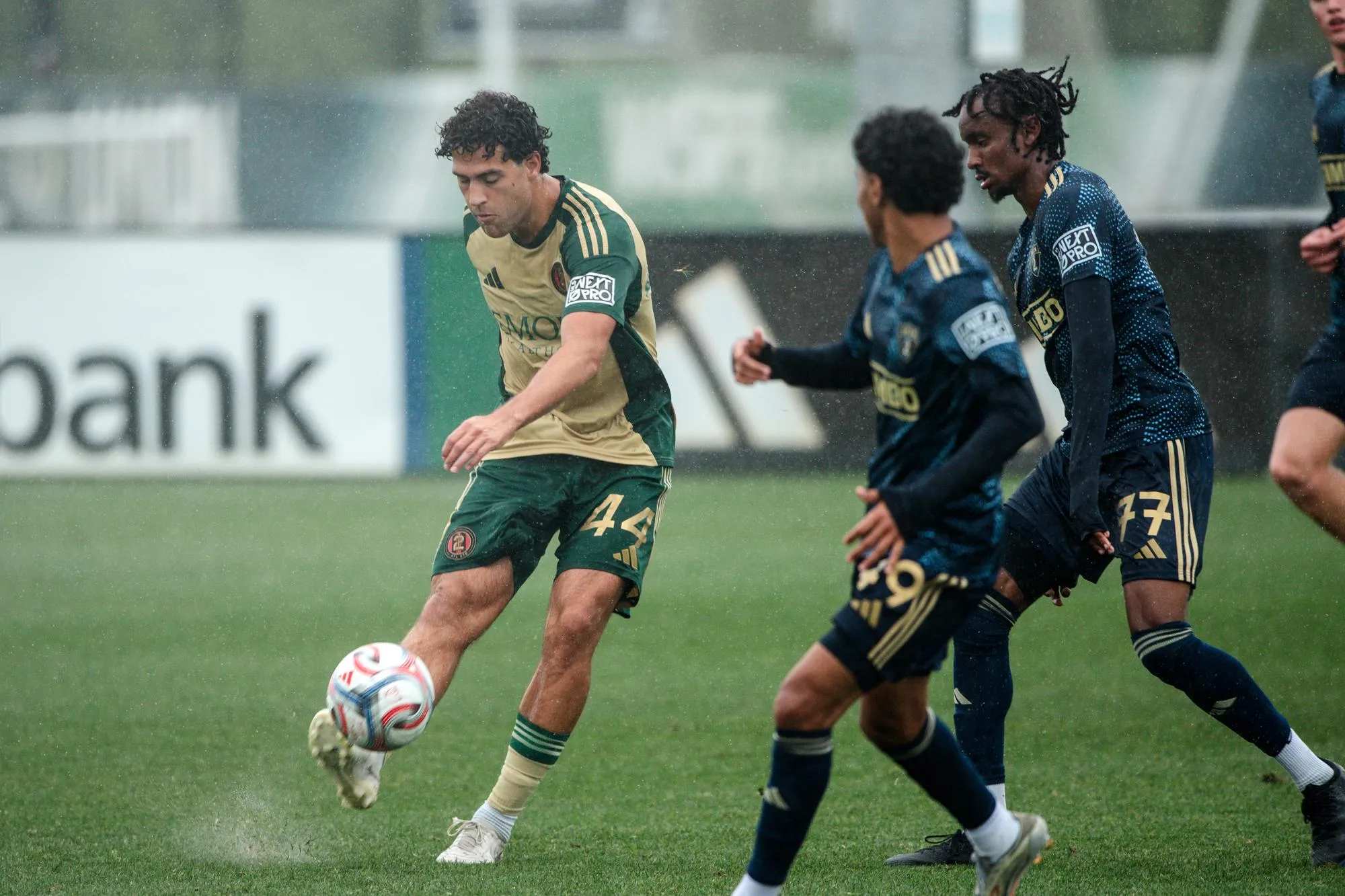

64' - Sanchez 🟨
84' - Latte Lath ⚽
⚽ Dorsey - 16'
⚽ Souza - 24'
⚽ Souza - 45+5'

Comments
Comments and reactions are powered by GitHub Discussions. A GitHub account is required to comment, reply, or react. You will be asked to authorize Giscus to post through your GitHub account. Comments are screened automatically. Personal attacks, discriminatory language, threats, spam, and comments unrelated to the article will be hidden or removed.